
HS Code vs HTS Code: Key Differences and Use Cases
Understand the key differences between HS code vs HTS code, including their digits, classification systems, geographic use, and different use cases.
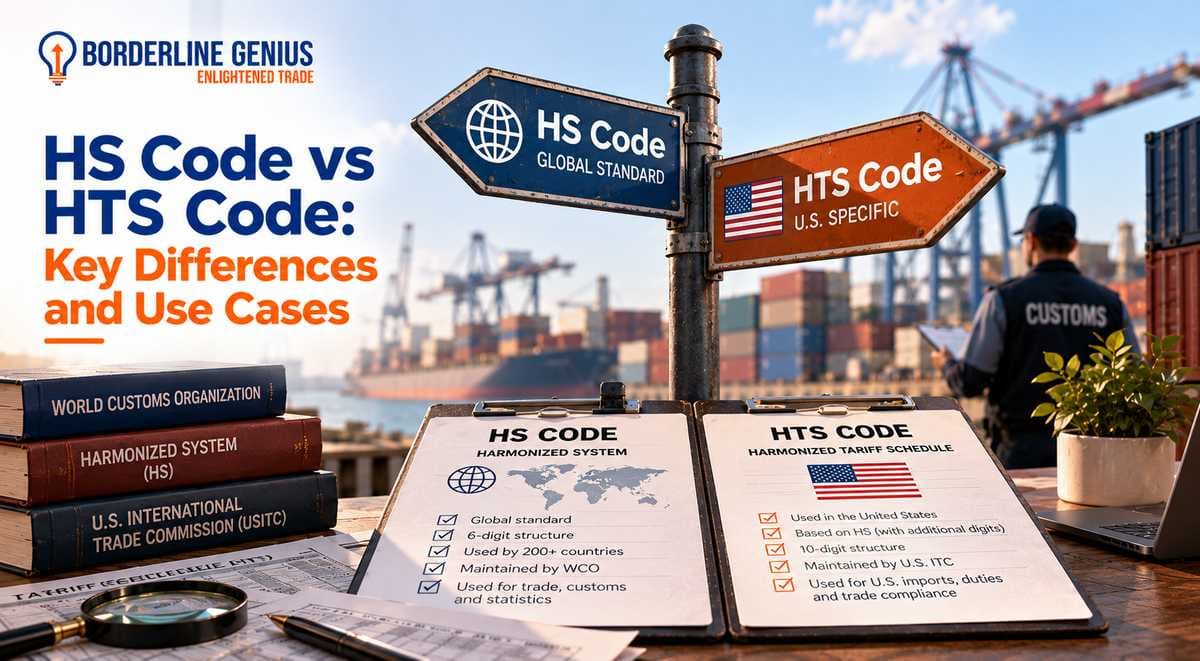
The key difference between HS codes vs HTS codes lies in their structure. Factors like geographic application and the level of classification detail further lead to variations between them. Both systems help in detecting traded goods, but they serve different purposes in international trade. The Harmonized System (HS) provides a globally standardized framework for classifying products. By contrast, the Harmonized Tariff Schedule (HTS) extends this framework to support tariff classification in the United States.
Understanding this distinction matters because using the right code can lead to correct duty assessments and customs documentation. Importers, exporters, customs brokers, and trade compliance professionals should comprehend when each code applies. So, they can classify goods correctly and meet the requirements of their destination markets.
What is an HS Code?
An HS code means an international product classification code of 6 digits. It has been established by the WCO (World Customs Organization). It enables countries to identify traded goods consistently for customs purposes and trade statistics.
What are HTS Codes?
HTS codes are product classification codes used under the United States Harmonized Tariff Schedule. A standard US HTS code generally contains 10 digits. It identifies imported goods for tariff and statistical purposes.
What is the Difference between HS Codes and HTS Codes?
The main difference between HS codes and HTS codes is their scope and level of detail. Harmonized System codes provide an international classification framework, while Harmonized Tariff Schedule codes extend that framework for US imports. Their variations become clearer when comparing their origin, structure, usage, and tariff application.
Origin and Purpose
An important difference between HS code vs HTS code is their origin and purpose. The World Customs Organization developed the Harmonized System (HS) to establish a common international language to classify traded goods. Its standardized 6-digit structure lets countries classify products consistently.
On the other hand, the United States uses its Harmonized Tariff Schedule for classifying imported merchandise under national tariff provisions. The US International Trade Commission (USITC) publishes the schedule, whereas US Customs and Border Protection (CBP) administers and interprets it.
Number of Digits
Considering HTS vs HS code differences, an international Harmonized System code contains 6 digits. The first 2 digits identify the Chapter, the other two digits specify the Heading, and the final 2 recognize the Subheading.
A standard US HTS code generally contains 10 digits. Its first 6 digits follow the international HS structure, while the additional digits provide detailed US tariff classification as well as statistical distinctions.
Geographic Application along with Usage
Notably, a vital distinction between HS code and HTS code is the usage and application geographically. Businesses use HS codes as a common classification reference in international trade. However, the complete code needed for customs declarations depends on the importing or exporting country's tariff system.
In contrast, US importers use HTS codes to classify imported goods under the US tariff schedule. They need the applicable US classification rather than relying on the six-digit international code alone.
Duty Rates and Tariff Classification
While looking at HS code vs HTS code, note that the six-digit HS classification establishes the international product category. It does not, by itself, determine the final import duty in every country because national tariff provisions can extend the classification.
The US HTS, however, provides tariff rates and statistical categories for imported merchandise. The applicable duty depends on the full classification and other relevant tariff provisions, including any additional measures that apply to the goods.
In Terms of Determining Codes
The process to find out an HS code for international trade differs from the HTS code. In order to determine the Harmonized System code, a business can consult the WCO's HS resources and the customs authority of the relevant country. The six-digit code must match the product's characteristics and the applicable classification rules.
For HTS codes, US importers can search the current USITC Harmonized Tariff Schedule to identify a potential classification and review its tariff provisions. They should verify the result against the product details and applicable rules before filing.
HTS Code vs HS Code: When to Use Each?
Along with differentiating between HTS code vs HS code, it is essential to know when to use both. The usage of the correct code depends on where the goods are being imported or exported and which country's customs requirements apply. HS codes provide the international classification foundation, while HTS codes apply to imports entering the United States.
The following table further explains when each code is relevant.
|
HS Code |
HTS Code |
|---|---|
|
Businesses use the six-digit HS code to determine the internationally standardized product category. |
US importers use the extended HTS code to identify goods under the US tariff schedule. |
|
Importers can rely on the HS code as the starting point for classification. |
For importers, the applicable 10-digit HTS code is generally needed for US import entry purposes. |
|
Exporters can utilize this code as a common reference for traded products. |
An importer requires this code for US import entry purposes. |
|
The Harmonized System code helps detect the international product category but does not establish every country's final duty rate. |
Importers use HTS codes for US import entry purposes. |
|
Businesses should confirm whether the destination authority requires additional national digits beyond the six-digit HS code. |
US importers should provide the full applicable HTS classification essential for their customs entry. |
|
Trade professionals can consult international HS resources and the relevant national customs authority. |
Importers can search the current USITC HTS and consult CBP guidance when classification questions demand clarification. |
To Conclude
HS code vs HTS code differentiation includes looking at various factors. Importantly, Harmonized System codes provide the international foundation for product classification, while Harmonized Tariff Schedule codes extend that structure for US imports. Businesses and trade professionals should find out the correct code as per the destination country's requirements. Accurate classification will support appropriate duty assessment and customs compliance.
Frequently asked questions
Navigate Global Trade With Greater Confidence
Access expert guidance to help your organization address complex trade, classification, tariff, and compliance challenges.
Talk to a Trade ExpertRelated articles
Keep reading with more guidance on trade compliance and classification.
 Classification GeniusHS ClassificationTrade Compliance6 min read
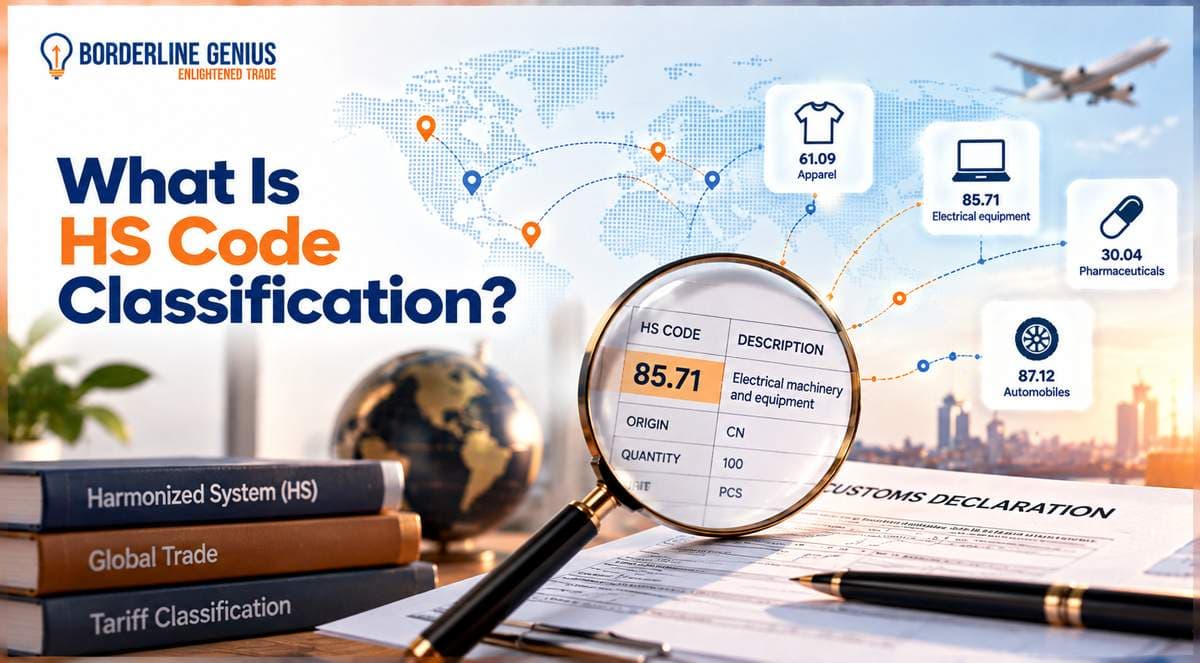
What is HS Code Classification?
Understand HS code classification, how it works, the role of GRIs, Section Notes, Chapter Notes, and Explanatory Notes, as well as common mistakes.
Read article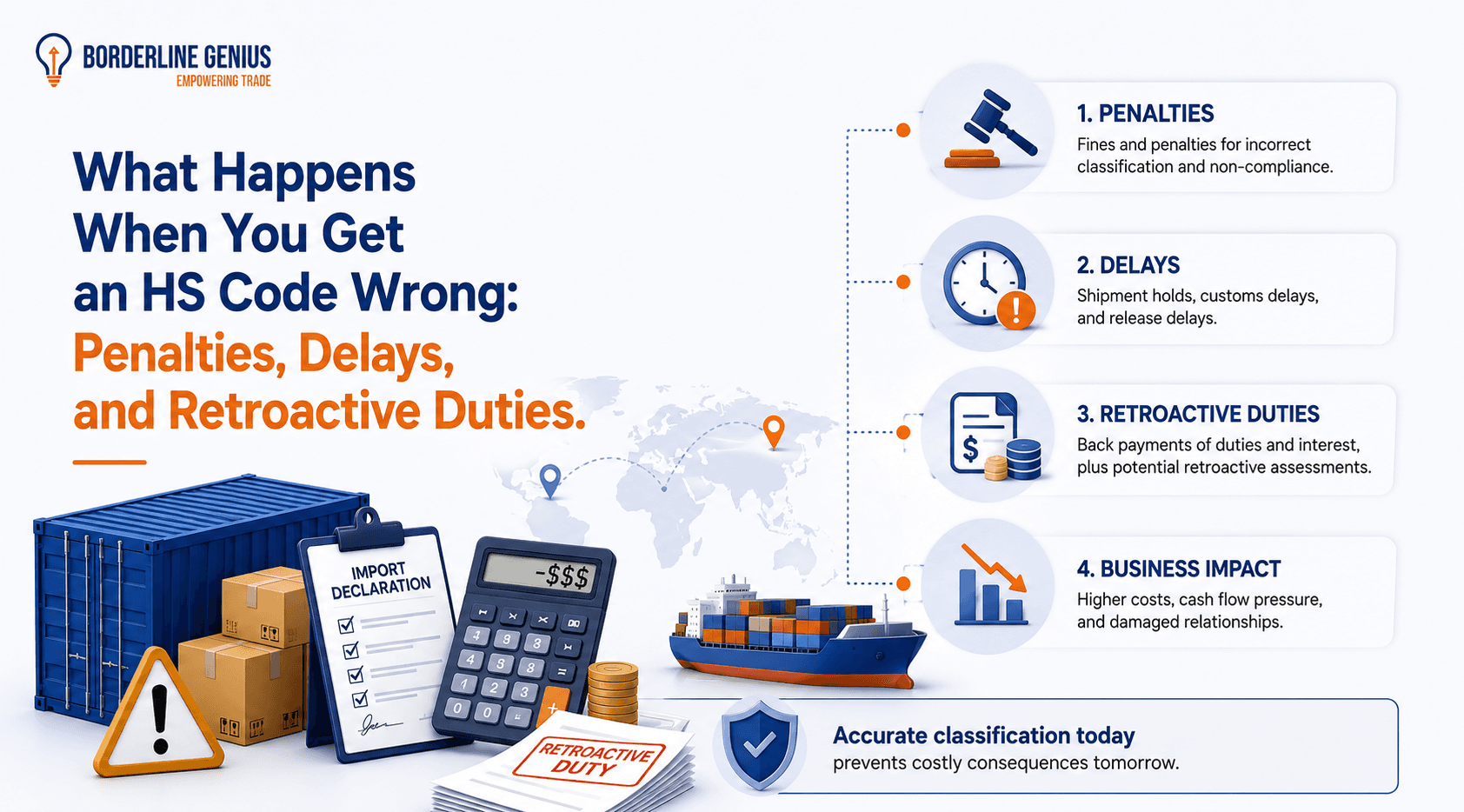 10 min read
What Happens When You Get an HS Code Wrong: Penalties, Delays, and Retroactive Duties
Learn the risks of incorrect HS codes, from delayed shipments and additional duties to licensing issues, failed origin claims, and customs penalties.
Read article 14 min read
HS Code vs HTS Code vs Schedule B: What’s the Difference?
Learn the difference between HS codes, HTS codes, and Schedule B codes. Understand the 6-digit HS system, U.S. import classifications, and export codes.
Read article