
What is an HTS Code? Everything Importers Need to Know
Learn what is an HTS code, why is it important for importers, how is it structured, does it impact import duties or taxes, and can it change.
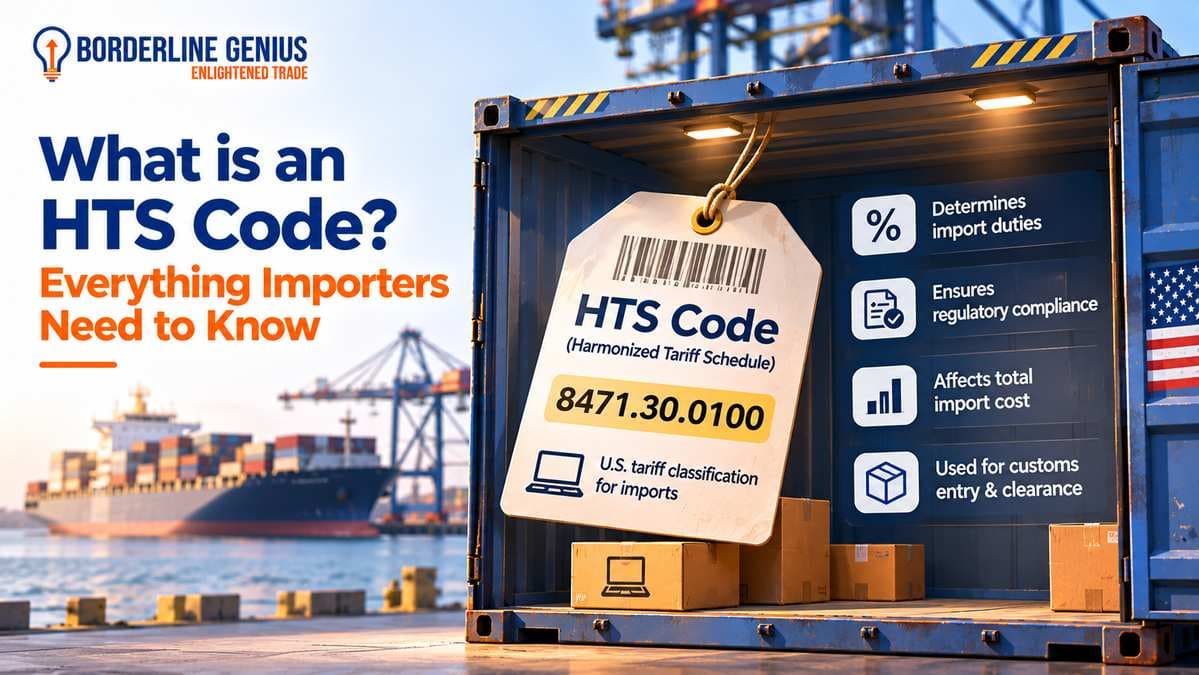
An HTS code is essential for businesses that import goods into the US. It identifies products under the country’s tariff classification system and enables customs authorities to determine the applicable import duties. Selecting the correct code is important because classification errors can affect shipment costs and customs clearance. Importers should understand how HTS codes work and how they relate to the international Harmonized System. They should also know where to find the correct classification and how to monitor changes.
This guide explains the meaning, structure, and importance of these codes. It also covers how importers can stay informed about relevant updates.
What Does an HTS Code Mean?
An HTS code is a classification number used for identifying imported products under the United States tariff system. HTS stands for Harmonized Tariff Schedule. The HTSUS is maintained by the U.S. International Trade Commission (USITC). The U.S. Customs and Border Protection (CBP) uses the classification to assess import duties and enforce applicable trade requirements.
Why are HTS Codes Important for Importers?
HTS codes are important for importers to determine the tariff treatment of imported goods in the United States. They use these codes to detect applicable duty rates and prepare accurate customs declarations. Correct classification can also help them estimate the cost of importing a product before a shipment arrives.
An HTS code is important for several other reasons too:
-
This code helps an importer calculate duties and estimate the total landed cost of goods.
-
It supports accurate customs entry documentation and product declarations.
-
The code can identify product-specific restrictions and additional import requirements.
-
HTS codes can reduce the risk of customs delays caused by classification errors.
-
They can enable compliance with U.S. customs and trade regulations.
-
Using these, businesses can assess the impact of tariff changes on their supply chains.
How are HTS Codes Structured?
HTS or Harmonized Tariff Schedule codes follow a hierarchical structure that starts with the international Harmonized System. The first 6 digits are standardized internationally. The United States adds further digits to provide detailed tariff as well as statistical classifications.
A complete HTSUS number generally contains 10 digits. Each part of the code recognizes a more specific product category.
-
An HTS code’s first 2 digits identify the Chapter, which covers a broad group of products.
-
The next 2 digits determine the Heading, which narrows the product category.
-
To find the Subheading under the international HS structure, the fifth and sixth digits are important.
-
The 7th and 8th digits provide further U.S. tariff classification details.
-
The ninth and tenth digits generally provide U.S. statistical reporting details.
The first six digits of this code are on the basis of the international HS nomenclature. The remaining digits follow the U.S. tariff schedule. Importers should therefore use the HTSUS to determine the complete classification required for U.S. imports.
Can HTS Codes Change?
Indeed, HTS codes can change when the international HS nomenclature or the U.S. tariff schedule is revised. The World Customs Organization updates the HS framework periodically. The United States may also introduce changes to its tariff classifications and statistical requirements.
Changes to an HTS code may occur for several reasons, including these:
-
The WCO may revise the international HS nomenclature to reflect changes in traded products.
-
The USITC may update the HTSUS to revise tariff or statistical provisions.
-
New trade measures may affect the import code and duties applied to certain products.
-
Changes in product descriptions or classification provisions may affect how goods are classified.
-
Temporary tariff measures may alter the applicable duty treatment for specific imports.
Importers should check the current HTSUS rather than relying on a code used for an earlier shipment. A code that was accurate in the past may no longer reflect the current tariff schedule.
Do HTS Codes Affect Import Duties and Taxes?
Harmonized Tariff Schedule codes can determine the duties and tariff treatment applied to imported goods in the United States. The applicable rate depends on the product’s classification and other factors. These may include the country of origin and relevant trade measures.
These codes can affect import costs in multiple ways:
-
The classification identifies the general duty rate associated with the imported product.
-
Certain products may be subject to additional tariffs under specific trade measures.
-
The country of origin may outline whether preferential or additional duties apply.
-
Through product classification, one can ascertain if special duties or restrictions apply.
-
Importers may use the applicable code to estimate duty costs before goods are shipped.
An HTS code does not determine every charge associated with an import. Importers should also review applicable taxes, fees, and trade requirements for the shipment.
How to Stay Informed About HTS Code Changes?
Importers can stay informed about HTS code changes by monitoring updates to tariff information and trade requirements that affect their products. The content updates feature of InGenius can enable them to keep track of changes to trade-related content. It can support timely reviews of information relevant to their import operations.
-
By monitoring these updates, importers can know changes that may affect their products.
-
They can review the relevant requirements before shipping.
-
Additionally, they can avoid relying on outdated trade information.
-
Moreover, they can support better trade compliance planning.
An Overview of InGenius
InGenius is a trade intelligence platform by Borderline Genius Inc. that helps navigate international trade requirements. It provides tools and information for product classification, duties, taxes, trade regulations, and content updates. Thus, importers can make informed decisions and manage global trade compliance more effectively.
Endnote
HTS codes serve an important role in U.S. import classification and duty assessment. Importers should understand the code structure and use the current tariff schedule when classifying goods. Monitoring relevant changes can further facilitate the review of their import costs and trade requirements. Accurate classification can eventually support better customs compliance and shipment planning.
Frequently asked questions
Navigate Global Trade With Greater Confidence
Access expert guidance to help your organization address complex trade, classification, tariff, and compliance challenges.
Talk to a Trade ExpertRelated articles
Keep reading with more guidance on trade compliance and classification.
 HS Classification7 min read
How to Find the Right HS Code for Your Product?
To find the right HS code for your product step-by-step, learn the structured approach, requirements that matter, and the process to verify it.
Read article HS Classification7 min read
HS Code vs HTS Code: Key Differences and Use Cases
Understand the key differences between HS code vs HTS code, including their digits, classification systems, geographic use, and different use cases.
Read article Classification GeniusHS ClassificationAI5 min read
AI for HS Code Classification: How it Works
Learn how AI HS code classification works, from analyzing product information to identifying potential HS codes and validating classification results.
Read article